Buy hundeversicherungvergleich.eu ?
We are moving the project
hundeversicherungvergleich.eu .
Are you interested in purchasing the domain
hundeversicherungvergleich.eu ?
domain@kv-gmbh.de · 0541-91531010
Buy hundeversicherungvergleich.eu ?
What is the motive in a fugue?
The motive in a fugue is a short musical idea or theme that is introduced at the beginning of the piece and serves as the foundation for the entire composition. It is typically a distinctive and recognizable melody that is repeated and developed throughout the fugue. The motive is subject to various transformations such as inversion, retrograde, augmentation, and diminution as it is passed between different voices in the fugue. The motive helps to unify the composition and create a sense of coherence and structure within the complex contrapuntal texture of a fugue. **
What is the structure of a fugue?
A fugue typically consists of three main sections: the exposition, the middle section (episodes), and the final section (recapitulation). The exposition introduces the main theme (subject) in one voice, followed by the same theme in a different voice (answer). The middle section features episodes where the theme is developed and explored in various keys and variations. The final section brings back the theme in all voices, often with additional counterpoint and variations, leading to a climactic conclusion. **
Similar search terms for Fugue
Top-Angebote
Products related to Fugue:
-
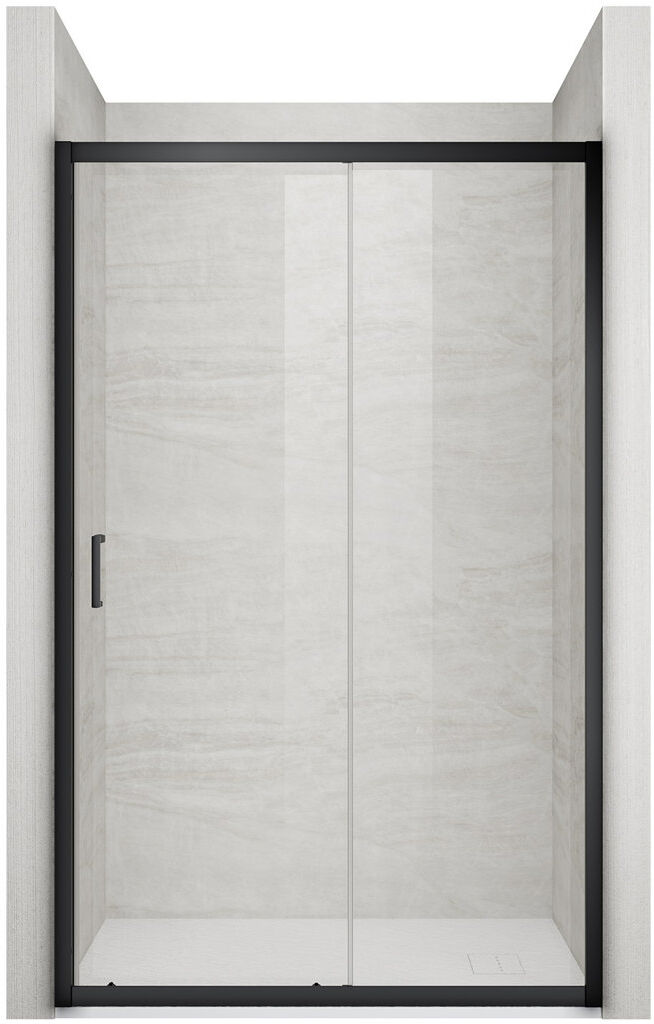
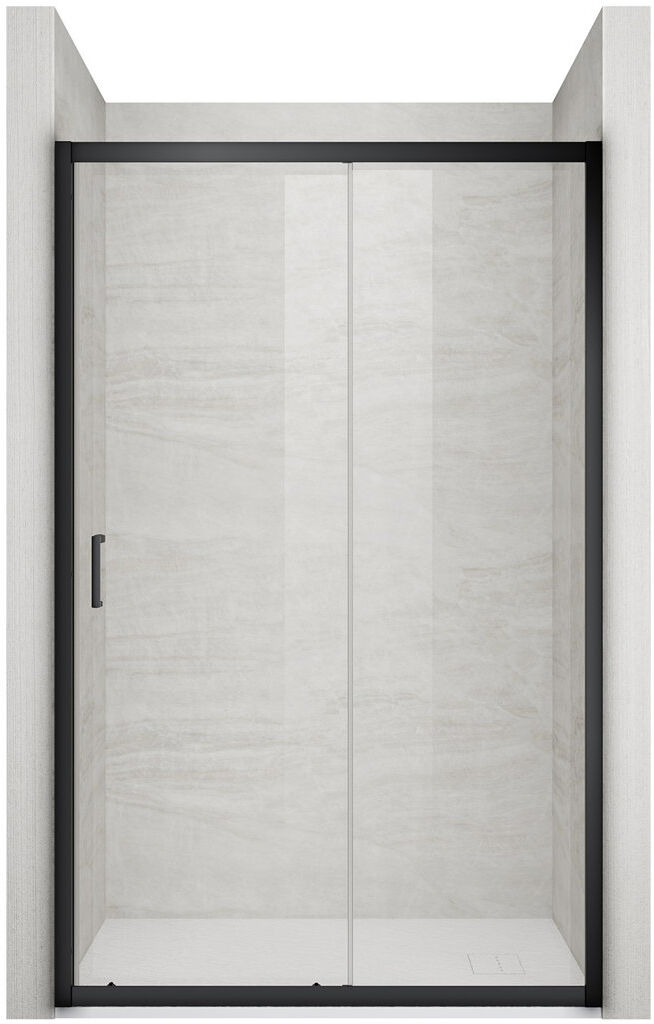
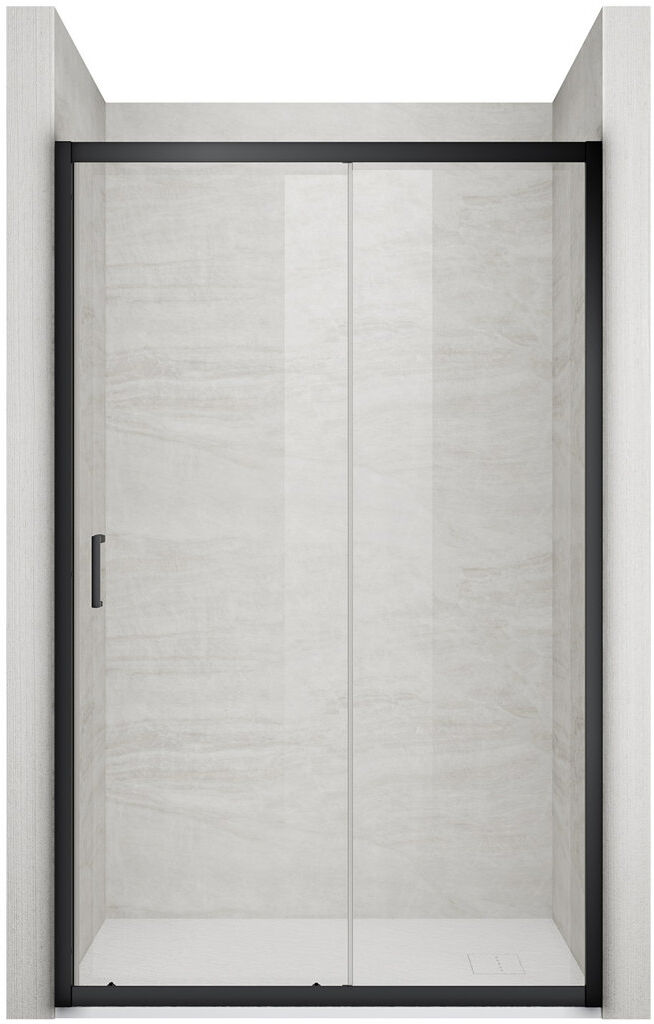
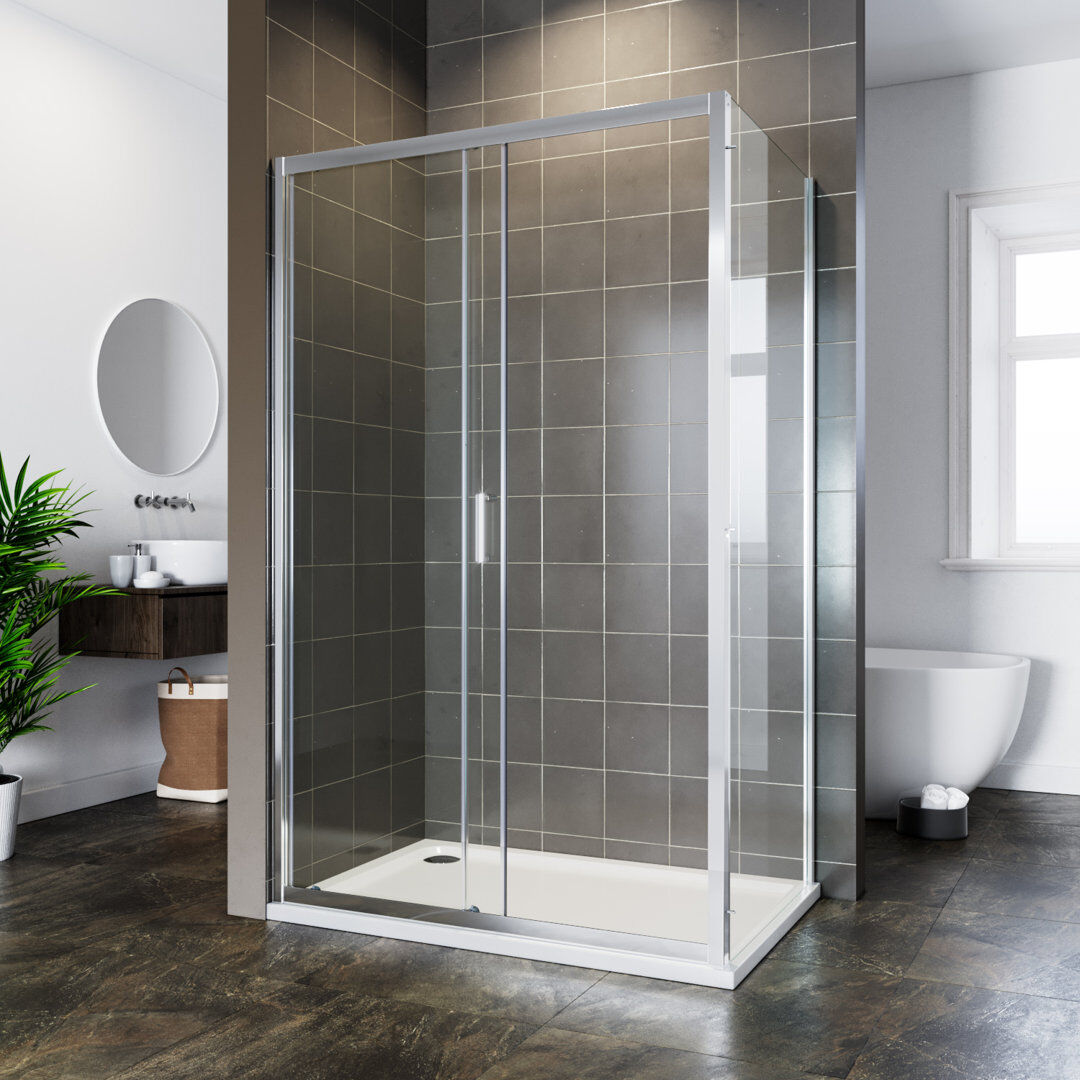
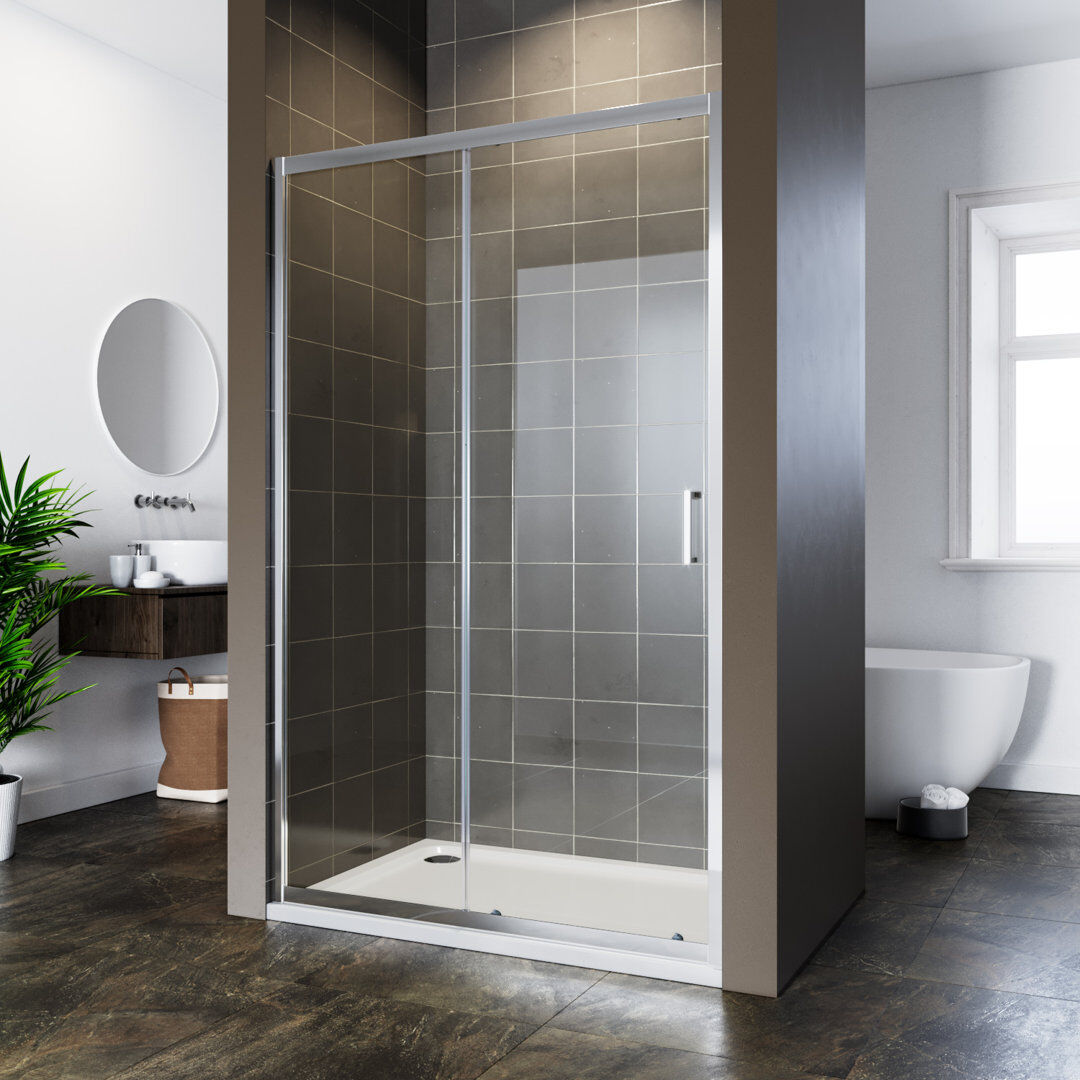
17 Stories Cost-effective single sliding door shower room, Silver Black 100"The SLC Series shower enclosures redefine modern bathroom aesthetics with their minimalist single-slide design. Crafted from a premium silver-white aluminium frame and 5mm tempered glass, this series seamlessly blends durability with sophistication. Engineered for seamless integration into contemporary spaces, the enclosure features British Standard BS EN 12150-compliant silk-screened glass and precision-tuned sliding mechanisms. Ideal for compact layouts, its adjustable design ensures a perfect fit while maintaining a sleek, uncluttered appearance. 17 Stories Size Width: 100", Finish: Black112,99 £*Shipping: 0,00 £Secure redirect to the provider
-
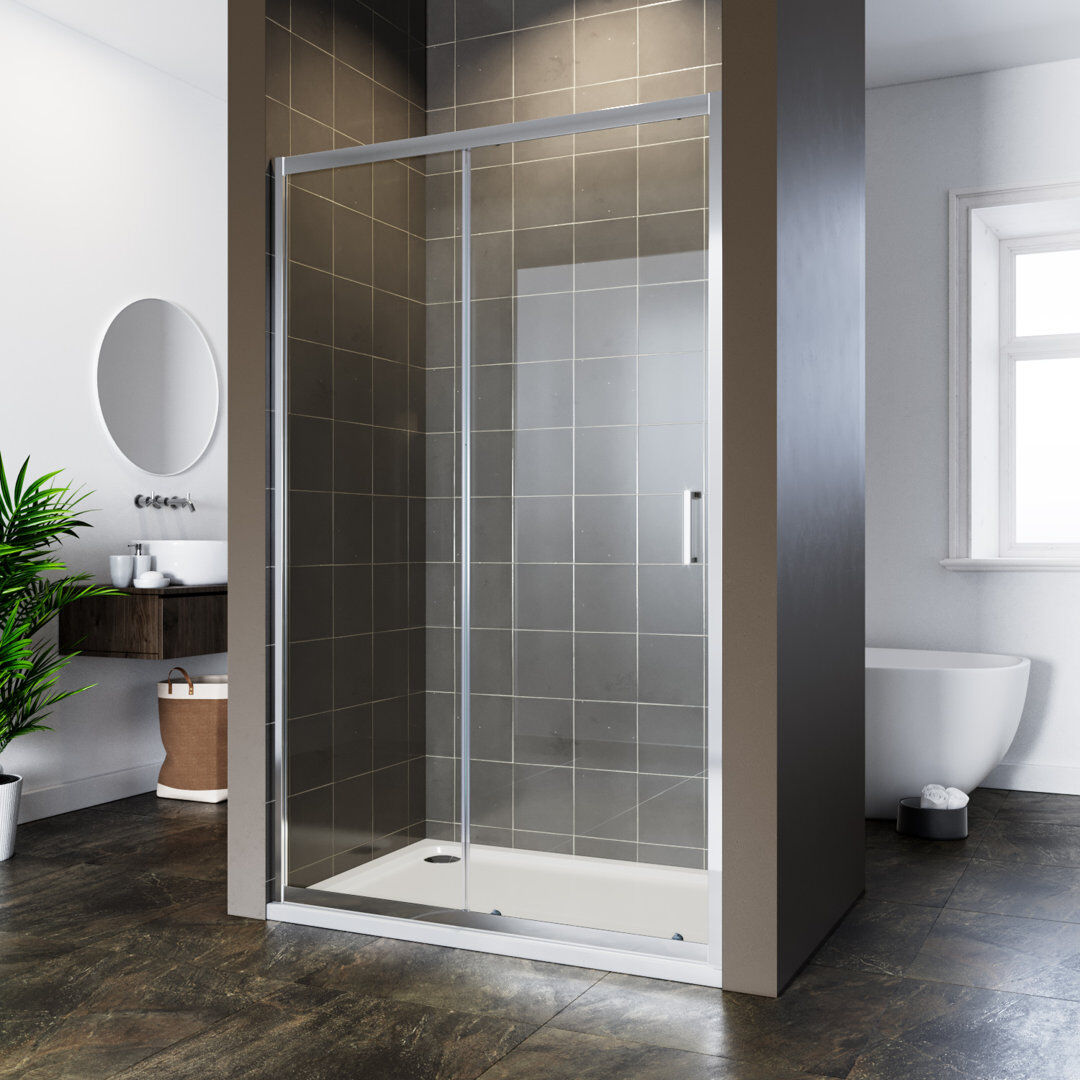
17 Stories Cost-effective single sliding door shower room, Silver Silver 110"The SLC Series shower enclosures redefine modern bathroom aesthetics with their minimalist single-slide design. Crafted from a premium silver-white aluminium frame and 5mm tempered glass, this series seamlessly blends durability with sophistication. Engineered for seamless integration into contemporary spaces, the enclosure features British Standard BS EN 12150-compliant silk-screened glass and precision-tuned sliding mechanisms. Ideal for compact layouts, its adjustable design ensures a perfect fit while maintaining a sleek, uncluttered appearance. 17 Stories Size Width: 110", Finish: Silver136,99 £*Shipping: 0,00 £Secure redirect to the provider
-
17 Stories Cost-effective single sliding door shower room, Silver Silver 100"The SLC Series shower enclosures redefine modern bathroom aesthetics with their minimalist single-slide design. Crafted from a premium silver-white aluminium frame and 5mm tempered glass, this series seamlessly blends durability with sophistication. Engineered for seamless integration into contemporary spaces, the enclosure features British Standard BS EN 12150-compliant silk-screened glass and precision-tuned sliding mechanisms. Ideal for compact layouts, its adjustable design ensures a perfect fit while maintaining a sleek, uncluttered appearance. 17 Stories Size Width: 100", Finish: Silver133,99 £*Shipping: 0,00 £Secure redirect to the provider
-
17 Stories Cost-effective single sliding door shower room, Silver Silver 120"The SLC Series shower enclosures redefine modern bathroom aesthetics with their minimalist single-slide design. Crafted from a premium silver-white aluminium frame and 5mm tempered glass, this series seamlessly blends durability with sophistication. Engineered for seamless integration into contemporary spaces, the enclosure features British Standard BS EN 12150-compliant silk-screened glass and precision-tuned sliding mechanisms. Ideal for compact layouts, its adjustable design ensures a perfect fit while maintaining a sleek, uncluttered appearance. 17 Stories Size Width: 120", Finish: Silver172,99 £*Shipping: 0,00 £Secure redirect to the provider
-
How can I compose a fugue myself?
To compose a fugue, start by choosing a subject or theme that will be the main melody of the piece. Develop this subject by creating countersubjects and episodes that will complement and contrast with the main theme. Pay attention to the rules of fugue writing, such as maintaining strict counterpoint and following the principles of voice leading. Finally, structure your fugue by organizing the entrances of the subject and developing the piece through different keys and variations. Practice and study fugues by great composers to improve your skills in composing your own fugue. **
-
What is the motif in a fugue?
The motif in a fugue is a short musical idea or theme that is introduced at the beginning of the piece. This motif serves as the foundation for the entire composition, as it is developed and transformed throughout the fugue. It is typically heard in different voices and keys, creating a sense of unity and coherence in the music. The motif is a key element in the structure and development of a fugue, providing a framework for the intricate counterpoint and interplay of voices that characterize this musical form. **
-
How do you analyze a fugue in music?
Analyzing a fugue in music involves identifying the main theme, or subject, and its variations throughout the piece. It also involves recognizing the different voices or parts that enter with the subject in a contrapuntal manner. Paying attention to the development and interplay of these voices, as well as the use of different techniques such as inversion, retrograde, and augmentation, is crucial in understanding the structure and complexity of a fugue. Additionally, analyzing the overall form, key changes, and relationships between the different sections of the fugue can provide insight into the composer's intentions and creative choices. **
-
How does one analyze a fugue in music?
Analyzing a fugue in music involves identifying the main theme, or subject, and its variations throughout the piece. One must also recognize the different voices or parts that enter with the subject in a contrapuntal manner. It is important to pay attention to the development of the subject, as well as any episodes or sections that provide contrast to the main theme. Finally, understanding the overall structure and form of the fugue, such as the exposition, episodes, and final statement of the subject, is crucial in analyzing this complex musical form. **


How do I analyze a fugue in music?
To analyze a fugue in music, start by identifying the subject, countersubject, and episodes within the piece. Pay attention to the entrances of the subject in different voices and how they interact with each other. Look for instances of stretto, where the subject is imitated in a close overlapping manner. Consider the tonal structure and how the piece modulates between different keys. Finally, examine the overall form and structure of the fugue, including the exposition, development, and recapitulation. **
How can I compose a fugue by myself?
To compose a fugue by yourself, start by choosing a subject or theme that will be the main melody of the fugue. Then, create a countersubject that will complement the subject. Next, determine the order in which the subject and countersubject will appear in the different voices of the fugue. After that, write the exposition, where the subject and countersubject are introduced in each voice. Finally, develop the fugue by alternating between episodes and restatements of the subject and countersubject, while following the rules of counterpoint. It's important to study and analyze fugues by other composers to understand the structure and techniques used in fugue composition. **
Top-Angebote
Products related to Fugue:
-
17 Stories Cost-effective single sliding door shower room, Silver Black 110"The SLC Series shower enclosures redefine modern bathroom aesthetics with their minimalist single-slide design. Crafted from a premium silver-white aluminium frame and 5mm tempered glass, this series seamlessly blends durability with sophistication. Engineered for seamless integration into contemporary spaces, the enclosure features British Standard BS EN 12150-compliant silk-screened glass and precision-tuned sliding mechanisms. Ideal for compact layouts, its adjustable design ensures a perfect fit while maintaining a sleek, uncluttered appearance. 17 Stories Size Width: 110", Finish: Black139,99 £*Shipping: 0,00 £Secure redirect to the provider
-
17 Stories Cost-effective single sliding door shower room, Silver Black 120"The SLC Series shower enclosures redefine modern bathroom aesthetics with their minimalist single-slide design. Crafted from a premium silver-white aluminium frame and 5mm tempered glass, this series seamlessly blends durability with sophistication. Engineered for seamless integration into contemporary spaces, the enclosure features British Standard BS EN 12150-compliant silk-screened glass and precision-tuned sliding mechanisms. Ideal for compact layouts, its adjustable design ensures a perfect fit while maintaining a sleek, uncluttered appearance. 17 Stories Size Width: 120", Finish: Black149,99 £*Shipping: 0,00 £Secure redirect to the provider
-
17 Stories Cost-effective single sliding door shower room, Silver Black 100"The SLC Series shower enclosures redefine modern bathroom aesthetics with their minimalist single-slide design. Crafted from a premium silver-white aluminium frame and 5mm tempered glass, this series seamlessly blends durability with sophistication. Engineered for seamless integration into contemporary spaces, the enclosure features British Standard BS EN 12150-compliant silk-screened glass and precision-tuned sliding mechanisms. Ideal for compact layouts, its adjustable design ensures a perfect fit while maintaining a sleek, uncluttered appearance. 17 Stories Size Width: 100", Finish: Black112,99 £*Shipping: 0,00 £Secure redirect to the provider
-
17 Stories Cost-effective single sliding door shower room, Silver Silver 110"The SLC Series shower enclosures redefine modern bathroom aesthetics with their minimalist single-slide design. Crafted from a premium silver-white aluminium frame and 5mm tempered glass, this series seamlessly blends durability with sophistication. Engineered for seamless integration into contemporary spaces, the enclosure features British Standard BS EN 12150-compliant silk-screened glass and precision-tuned sliding mechanisms. Ideal for compact layouts, its adjustable design ensures a perfect fit while maintaining a sleek, uncluttered appearance. 17 Stories Size Width: 110", Finish: Silver136,99 £*Shipping: 0,00 £Secure redirect to the provider
-
What is the motive in a fugue?
The motive in a fugue is a short musical idea or theme that is introduced at the beginning of the piece and serves as the foundation for the entire composition. It is typically a distinctive and recognizable melody that is repeated and developed throughout the fugue. The motive is subject to various transformations such as inversion, retrograde, augmentation, and diminution as it is passed between different voices in the fugue. The motive helps to unify the composition and create a sense of coherence and structure within the complex contrapuntal texture of a fugue. **
-
What is the structure of a fugue?
A fugue typically consists of three main sections: the exposition, the middle section (episodes), and the final section (recapitulation). The exposition introduces the main theme (subject) in one voice, followed by the same theme in a different voice (answer). The middle section features episodes where the theme is developed and explored in various keys and variations. The final section brings back the theme in all voices, often with additional counterpoint and variations, leading to a climactic conclusion. **
-
How can I compose a fugue myself?
To compose a fugue, start by choosing a subject or theme that will be the main melody of the piece. Develop this subject by creating countersubjects and episodes that will complement and contrast with the main theme. Pay attention to the rules of fugue writing, such as maintaining strict counterpoint and following the principles of voice leading. Finally, structure your fugue by organizing the entrances of the subject and developing the piece through different keys and variations. Practice and study fugues by great composers to improve your skills in composing your own fugue. **
-
What is the motif in a fugue?
The motif in a fugue is a short musical idea or theme that is introduced at the beginning of the piece. This motif serves as the foundation for the entire composition, as it is developed and transformed throughout the fugue. It is typically heard in different voices and keys, creating a sense of unity and coherence in the music. The motif is a key element in the structure and development of a fugue, providing a framework for the intricate counterpoint and interplay of voices that characterize this musical form. **
Similar search terms for Fugue
-
17 Stories Cost-effective single sliding door shower room, Silver Silver 100"The SLC Series shower enclosures redefine modern bathroom aesthetics with their minimalist single-slide design. Crafted from a premium silver-white aluminium frame and 5mm tempered glass, this series seamlessly blends durability with sophistication. Engineered for seamless integration into contemporary spaces, the enclosure features British Standard BS EN 12150-compliant silk-screened glass and precision-tuned sliding mechanisms. Ideal for compact layouts, its adjustable design ensures a perfect fit while maintaining a sleek, uncluttered appearance. 17 Stories Size Width: 100", Finish: Silver133,99 £*Shipping: 0,00 £Secure redirect to the provider
-
17 Stories Cost-effective single sliding door shower room, Silver Silver 120"The SLC Series shower enclosures redefine modern bathroom aesthetics with their minimalist single-slide design. Crafted from a premium silver-white aluminium frame and 5mm tempered glass, this series seamlessly blends durability with sophistication. Engineered for seamless integration into contemporary spaces, the enclosure features British Standard BS EN 12150-compliant silk-screened glass and precision-tuned sliding mechanisms. Ideal for compact layouts, its adjustable design ensures a perfect fit while maintaining a sleek, uncluttered appearance. 17 Stories Size Width: 120", Finish: Silver172,99 £*Shipping: 0,00 £Secure redirect to the provider
-
CounterArt "Insurance 4 Pack Absorbent Stone Coasters with Cork Backing 4"" Square Made in The USA Absorbent Wipes Clean"4 Pack Absorbent Stone Coasters with Protective Cork Backing 4” Square. Manufactured in the USA of absorbent stone to absorb excess condensation from beverages. Cork backing protects your surfaces from scratches and stains.30,49 $*Shipping: 0,00 $Secure redirect to the provider
-
How do you analyze a fugue in music?
Analyzing a fugue in music involves identifying the main theme, or subject, and its variations throughout the piece. It also involves recognizing the different voices or parts that enter with the subject in a contrapuntal manner. Paying attention to the development and interplay of these voices, as well as the use of different techniques such as inversion, retrograde, and augmentation, is crucial in understanding the structure and complexity of a fugue. Additionally, analyzing the overall form, key changes, and relationships between the different sections of the fugue can provide insight into the composer's intentions and creative choices. **
-
How does one analyze a fugue in music?
Analyzing a fugue in music involves identifying the main theme, or subject, and its variations throughout the piece. One must also recognize the different voices or parts that enter with the subject in a contrapuntal manner. It is important to pay attention to the development of the subject, as well as any episodes or sections that provide contrast to the main theme. Finally, understanding the overall structure and form of the fugue, such as the exposition, episodes, and final statement of the subject, is crucial in analyzing this complex musical form. **
-
How do I analyze a fugue in music?
To analyze a fugue in music, start by identifying the subject, countersubject, and episodes within the piece. Pay attention to the entrances of the subject in different voices and how they interact with each other. Look for instances of stretto, where the subject is imitated in a close overlapping manner. Consider the tonal structure and how the piece modulates between different keys. Finally, examine the overall form and structure of the fugue, including the exposition, development, and recapitulation. **
-
How can I compose a fugue by myself?
To compose a fugue by yourself, start by choosing a subject or theme that will be the main melody of the fugue. Then, create a countersubject that will complement the subject. Next, determine the order in which the subject and countersubject will appear in the different voices of the fugue. After that, write the exposition, where the subject and countersubject are introduced in each voice. Finally, develop the fugue by alternating between episodes and restatements of the subject and countersubject, while following the rules of counterpoint. It's important to study and analyze fugues by other composers to understand the structure and techniques used in fugue composition. **
* All prices are inclusive of VAT and, if applicable, plus shipping costs. The offer information is based on the details provided by the respective shop and is updated through automated processes. Real-time updates do not occur, so deviations can occur in individual cases. ** Note: Parts of this content were created by AI.