Buy hundeversicherungvergleich.eu ?
We are moving the project
hundeversicherungvergleich.eu .
Are you interested in purchasing the domain
hundeversicherungvergleich.eu ?
domain@kv-gmbh.de · 0541-91531010
Buy hundeversicherungvergleich.eu ?
What is the difference between frequency modulation and amplitude modulation?
Frequency modulation (FM) and amplitude modulation (AM) are two different methods used in radio broadcasting to carry a signal. The main difference between the two is how they vary the carrier wave to transmit information. In AM, the amplitude of the carrier wave is varied in proportion to that of the input signal, while in FM, the frequency of the carrier wave is varied. FM is known for its better sound quality and resistance to noise, while AM is simpler and has a longer range. **
What is the difference between amplitude modulation and frequency modulation?
Amplitude modulation (AM) is a method of encoding information on a carrier wave by varying its amplitude, while frequency modulation (FM) encodes information by varying the frequency of the carrier wave. In AM, the amplitude of the carrier wave is directly proportional to the amplitude of the input signal, whereas in FM, the frequency of the carrier wave is varied in proportion to the amplitude of the input signal. FM is less susceptible to noise and interference compared to AM, making it a more reliable method for transmitting information over long distances. **
Similar search terms for Modulation
Top-Angebote
Products related to Modulation:
-
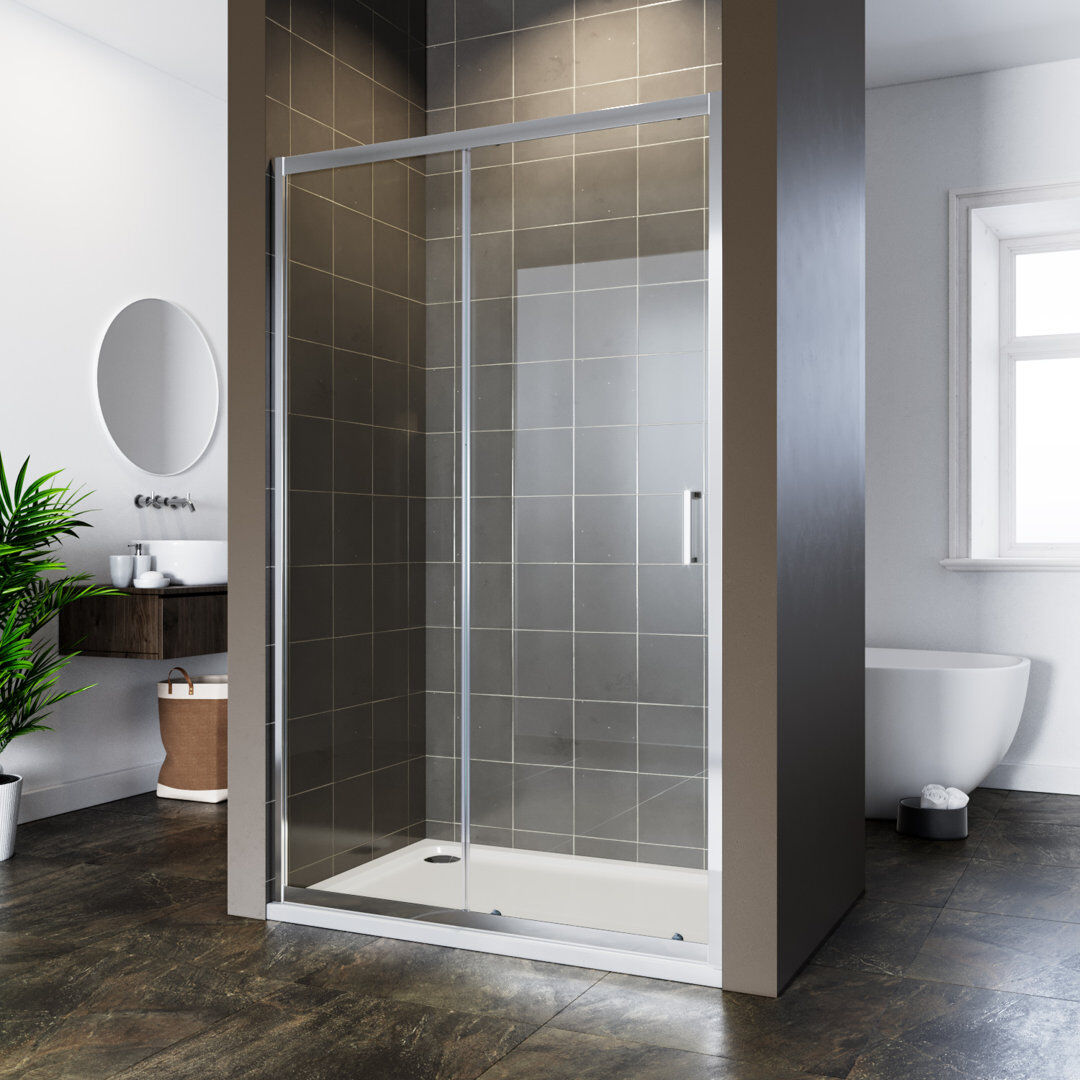
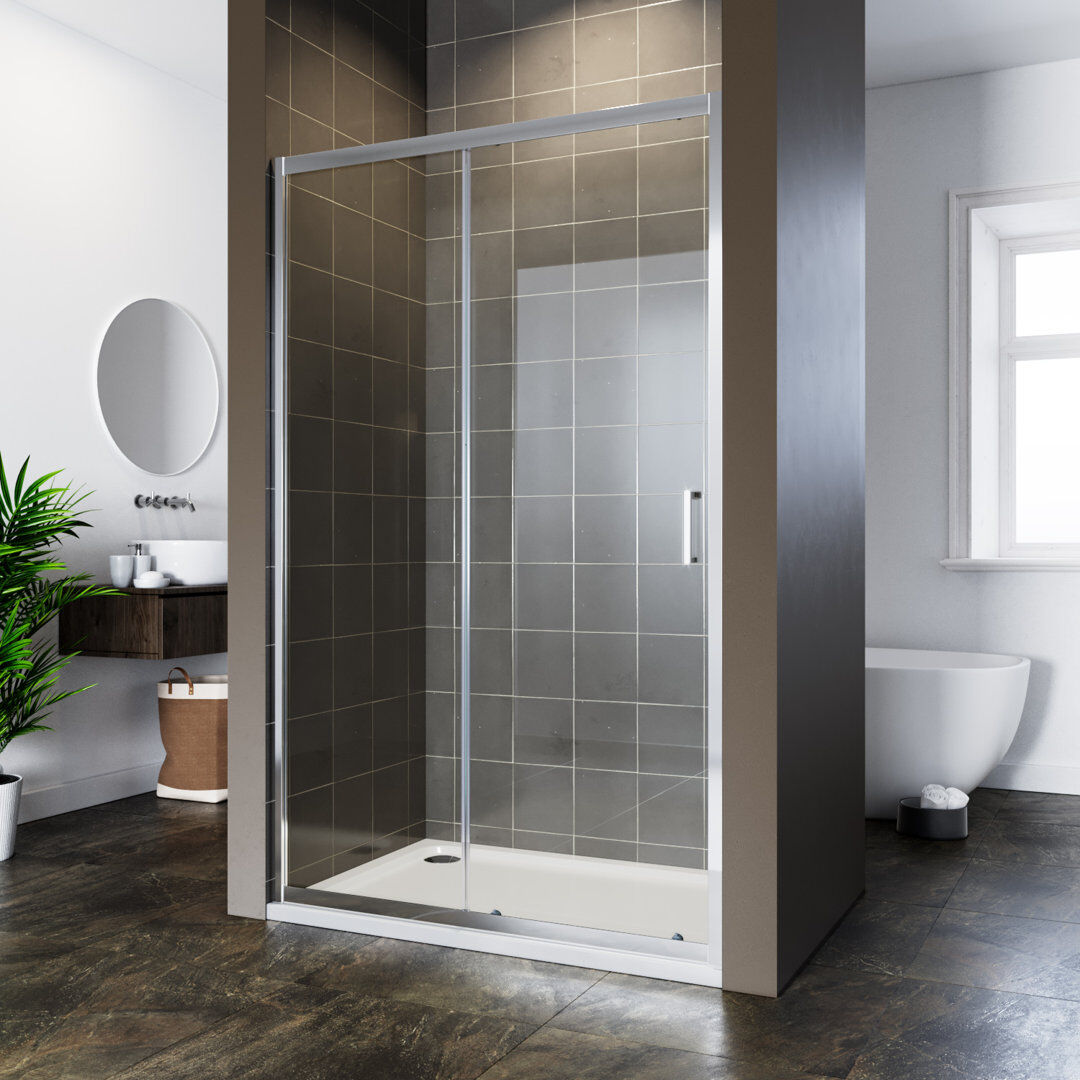
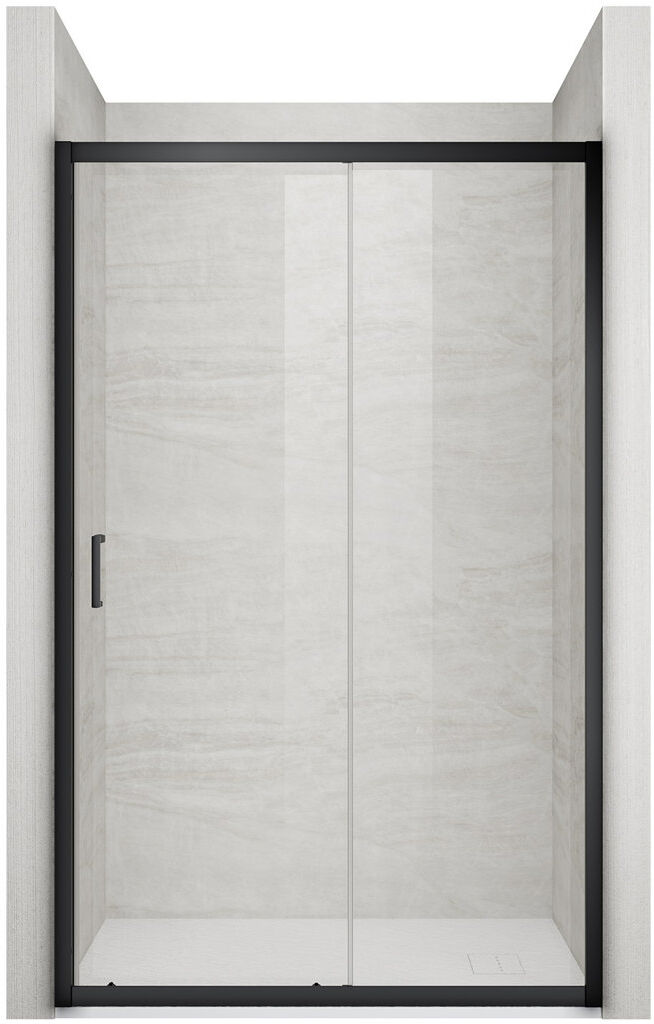
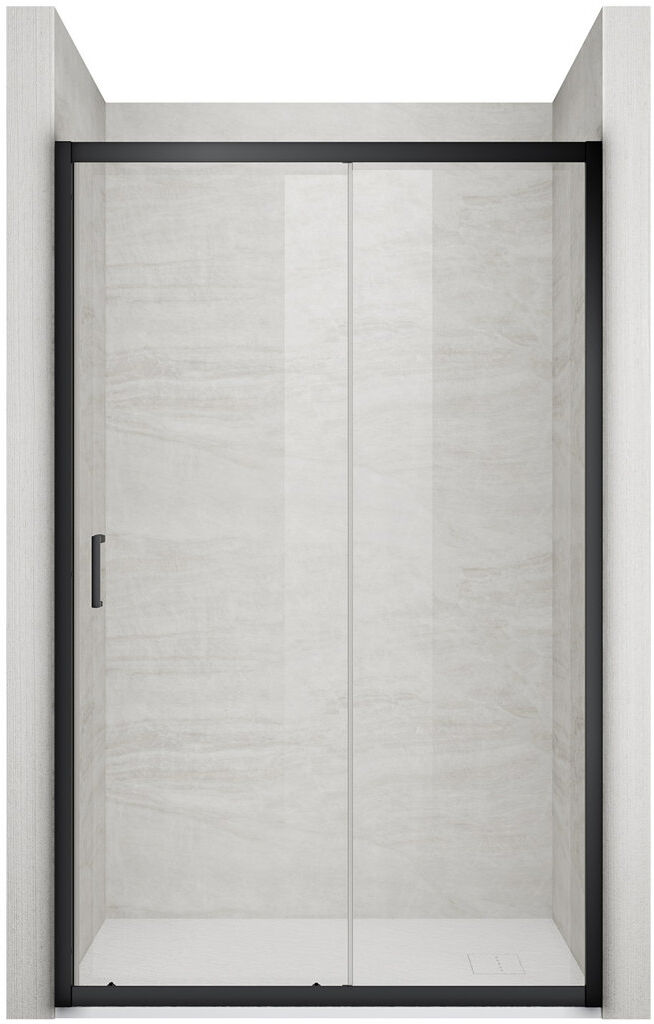
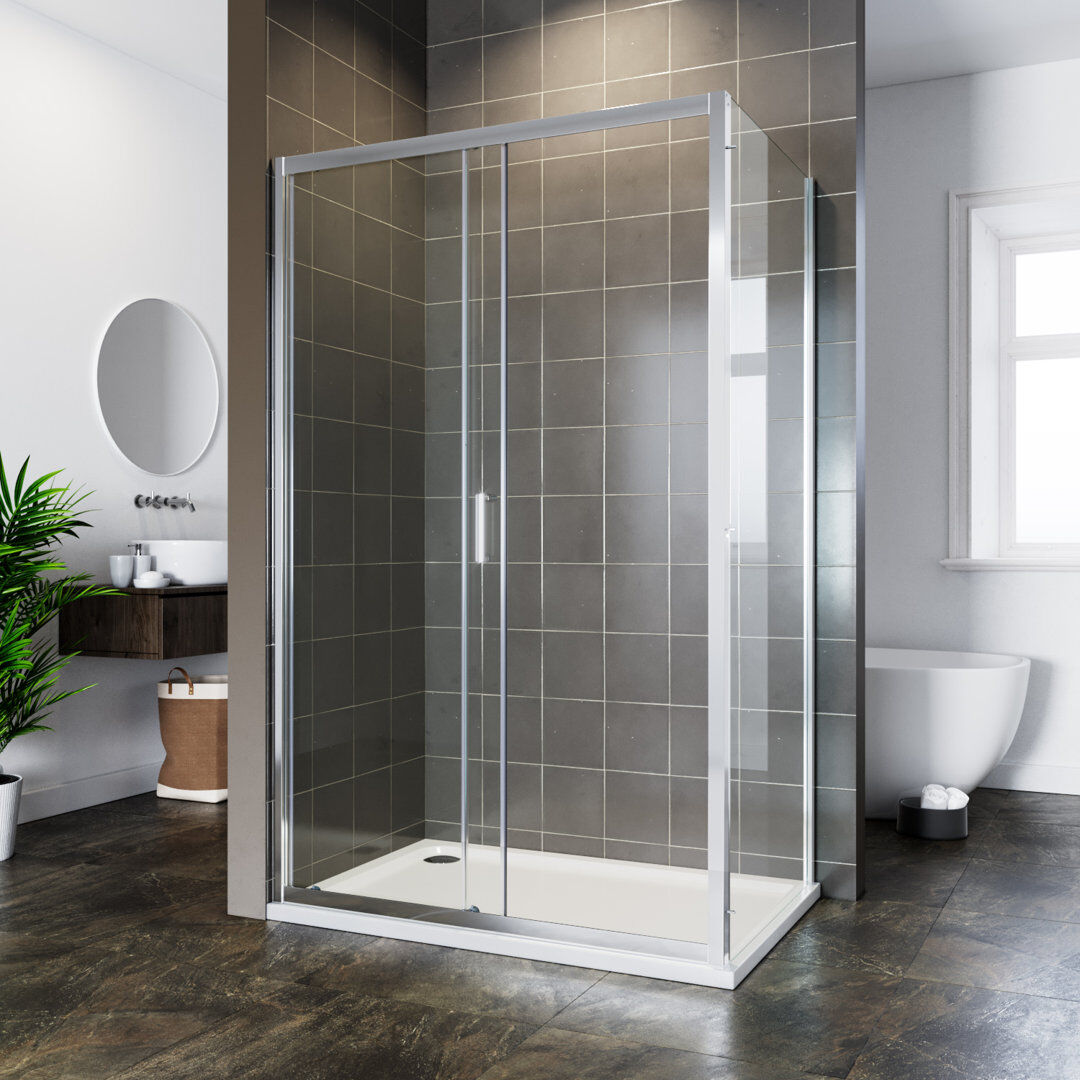
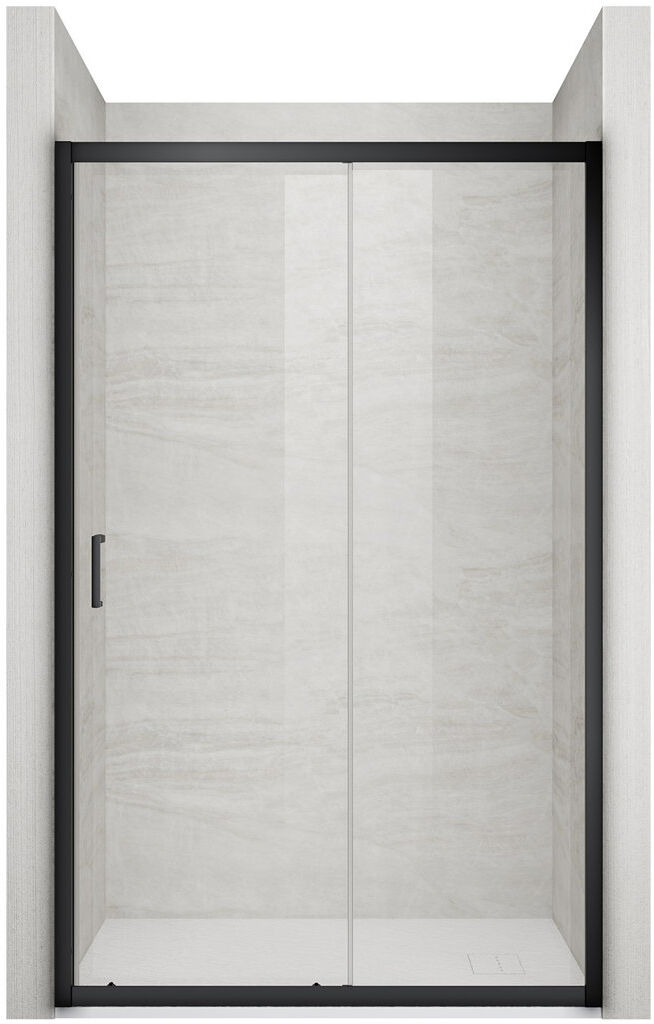
17 Stories Cost-effective single sliding door shower room, Silver Black 110"The SLC Series shower enclosures redefine modern bathroom aesthetics with their minimalist single-slide design. Crafted from a premium silver-white aluminium frame and 5mm tempered glass, this series seamlessly blends durability with sophistication. Engineered for seamless integration into contemporary spaces, the enclosure features British Standard BS EN 12150-compliant silk-screened glass and precision-tuned sliding mechanisms. Ideal for compact layouts, its adjustable design ensures a perfect fit while maintaining a sleek, uncluttered appearance. 17 Stories Size Width: 110", Finish: Black139,99 £*Shipping: 0,00 £Secure redirect to the provider
-
17 Stories Cost-effective single sliding door shower room, Silver Black 100"The SLC Series shower enclosures redefine modern bathroom aesthetics with their minimalist single-slide design. Crafted from a premium silver-white aluminium frame and 5mm tempered glass, this series seamlessly blends durability with sophistication. Engineered for seamless integration into contemporary spaces, the enclosure features British Standard BS EN 12150-compliant silk-screened glass and precision-tuned sliding mechanisms. Ideal for compact layouts, its adjustable design ensures a perfect fit while maintaining a sleek, uncluttered appearance. 17 Stories Size Width: 100", Finish: Black112,99 £*Shipping: 0,00 £Secure redirect to the provider
-
17 Stories Cost-effective single sliding door shower room, Silver Silver 100"The SLC Series shower enclosures redefine modern bathroom aesthetics with their minimalist single-slide design. Crafted from a premium silver-white aluminium frame and 5mm tempered glass, this series seamlessly blends durability with sophistication. Engineered for seamless integration into contemporary spaces, the enclosure features British Standard BS EN 12150-compliant silk-screened glass and precision-tuned sliding mechanisms. Ideal for compact layouts, its adjustable design ensures a perfect fit while maintaining a sleek, uncluttered appearance. 17 Stories Size Width: 100", Finish: Silver133,99 £*Shipping: 0,00 £Secure redirect to the provider
-
17 Stories Cost-effective single sliding door shower room, Silver Black 120"The SLC Series shower enclosures redefine modern bathroom aesthetics with their minimalist single-slide design. Crafted from a premium silver-white aluminium frame and 5mm tempered glass, this series seamlessly blends durability with sophistication. Engineered for seamless integration into contemporary spaces, the enclosure features British Standard BS EN 12150-compliant silk-screened glass and precision-tuned sliding mechanisms. Ideal for compact layouts, its adjustable design ensures a perfect fit while maintaining a sleek, uncluttered appearance. 17 Stories Size Width: 120", Finish: Black149,99 £*Shipping: 0,00 £Secure redirect to the provider
-
How does modulation work?
Modulation is the process of varying a carrier signal's properties, such as its amplitude, frequency, or phase, in order to encode information onto it. This allows the carrier signal to carry the information over a communication channel. For example, in amplitude modulation (AM), the amplitude of the carrier signal is varied in accordance with the information signal. At the receiving end, the modulation is reversed through demodulation, allowing the original information to be recovered. Modulation is a fundamental concept in communication systems, allowing for the transmission of information over long distances. **
-
What are the characteristics of modulation?
Modulation is the process of varying a carrier signal's properties, such as amplitude, frequency, or phase, in order to transmit information. The characteristics of modulation include the ability to encode information onto a carrier signal, allowing for efficient transmission over long distances. Modulation also enables multiple signals to be transmitted simultaneously over the same medium, known as multiplexing. Additionally, modulation allows for the signal to be easily demodulated and the original information to be recovered at the receiving end. **
-
What is the project Pulse Width Modulation?
Pulse Width Modulation (PWM) is a technique used to encode a message into a pulsing signal. It involves varying the width of the pulse while keeping the frequency constant. This method is commonly used in electronic devices to control the power supplied to electrical devices, such as motors, LEDs, and speakers. By adjusting the duty cycle of the pulse, PWM allows for precise control over the output voltage or current, making it an efficient way to regulate the speed or intensity of various components. **
-
How can pulse width modulation be explained simply?
Pulse width modulation (PWM) is a method used to control the amount of power delivered to a load by varying the width of the pulse signal. In simple terms, PWM works by turning the power on and off at a fast rate, with the ratio of on-time to off-time determining the average power delivered. By adjusting this ratio, PWM can effectively control the speed of motors, brightness of LEDs, and other parameters in electronic systems. **


How does the modulation transfer function typically proceed?
The modulation transfer function (MTF) typically proceeds by measuring the ability of an optical system to transfer contrast from the object to the image. This is done by analyzing the spatial frequency response of the system, which describes how well the system can reproduce different levels of detail in the object. The MTF is often measured by imaging a test pattern with known spatial frequencies and analyzing the contrast of the resulting image. The MTF is then plotted as a function of spatial frequency, showing how contrast is transferred at different levels of detail. **
Why are the pitch and modulation wheels not working?
The pitch and modulation wheels may not be working due to a variety of reasons. It could be a hardware issue such as a loose connection or a malfunctioning sensor. It could also be a software issue such as a setting that needs to be adjusted or a driver that needs to be updated. Additionally, the wheels may not be working if they are not properly calibrated or if they are damaged. Troubleshooting these potential causes can help determine why the pitch and modulation wheels are not functioning correctly. **
Top-Angebote
Products related to Modulation:
-
17 Stories Cost-effective single sliding door shower room, Silver Silver 110"The SLC Series shower enclosures redefine modern bathroom aesthetics with their minimalist single-slide design. Crafted from a premium silver-white aluminium frame and 5mm tempered glass, this series seamlessly blends durability with sophistication. Engineered for seamless integration into contemporary spaces, the enclosure features British Standard BS EN 12150-compliant silk-screened glass and precision-tuned sliding mechanisms. Ideal for compact layouts, its adjustable design ensures a perfect fit while maintaining a sleek, uncluttered appearance. 17 Stories Size Width: 110", Finish: Silver136,99 £*Shipping: 0,00 £Secure redirect to the provider
-
17 Stories Cost-effective single sliding door shower room, Silver Silver 120"The SLC Series shower enclosures redefine modern bathroom aesthetics with their minimalist single-slide design. Crafted from a premium silver-white aluminium frame and 5mm tempered glass, this series seamlessly blends durability with sophistication. Engineered for seamless integration into contemporary spaces, the enclosure features British Standard BS EN 12150-compliant silk-screened glass and precision-tuned sliding mechanisms. Ideal for compact layouts, its adjustable design ensures a perfect fit while maintaining a sleek, uncluttered appearance. 17 Stories Size Width: 120", Finish: Silver172,99 £*Shipping: 0,00 £Secure redirect to the provider
-
17 Stories Cost-effective single sliding door shower room, Silver Black 110"The SLC Series shower enclosures redefine modern bathroom aesthetics with their minimalist single-slide design. Crafted from a premium silver-white aluminium frame and 5mm tempered glass, this series seamlessly blends durability with sophistication. Engineered for seamless integration into contemporary spaces, the enclosure features British Standard BS EN 12150-compliant silk-screened glass and precision-tuned sliding mechanisms. Ideal for compact layouts, its adjustable design ensures a perfect fit while maintaining a sleek, uncluttered appearance. 17 Stories Size Width: 110", Finish: Black139,99 £*Shipping: 0,00 £Secure redirect to the provider
-
17 Stories Cost-effective single sliding door shower room, Silver Black 100"The SLC Series shower enclosures redefine modern bathroom aesthetics with their minimalist single-slide design. Crafted from a premium silver-white aluminium frame and 5mm tempered glass, this series seamlessly blends durability with sophistication. Engineered for seamless integration into contemporary spaces, the enclosure features British Standard BS EN 12150-compliant silk-screened glass and precision-tuned sliding mechanisms. Ideal for compact layouts, its adjustable design ensures a perfect fit while maintaining a sleek, uncluttered appearance. 17 Stories Size Width: 100", Finish: Black112,99 £*Shipping: 0,00 £Secure redirect to the provider
-
What is the difference between frequency modulation and amplitude modulation?
Frequency modulation (FM) and amplitude modulation (AM) are two different methods used in radio broadcasting to carry a signal. The main difference between the two is how they vary the carrier wave to transmit information. In AM, the amplitude of the carrier wave is varied in proportion to that of the input signal, while in FM, the frequency of the carrier wave is varied. FM is known for its better sound quality and resistance to noise, while AM is simpler and has a longer range. **
-
What is the difference between amplitude modulation and frequency modulation?
Amplitude modulation (AM) is a method of encoding information on a carrier wave by varying its amplitude, while frequency modulation (FM) encodes information by varying the frequency of the carrier wave. In AM, the amplitude of the carrier wave is directly proportional to the amplitude of the input signal, whereas in FM, the frequency of the carrier wave is varied in proportion to the amplitude of the input signal. FM is less susceptible to noise and interference compared to AM, making it a more reliable method for transmitting information over long distances. **
-
How does modulation work?
Modulation is the process of varying a carrier signal's properties, such as its amplitude, frequency, or phase, in order to encode information onto it. This allows the carrier signal to carry the information over a communication channel. For example, in amplitude modulation (AM), the amplitude of the carrier signal is varied in accordance with the information signal. At the receiving end, the modulation is reversed through demodulation, allowing the original information to be recovered. Modulation is a fundamental concept in communication systems, allowing for the transmission of information over long distances. **
-
What are the characteristics of modulation?
Modulation is the process of varying a carrier signal's properties, such as amplitude, frequency, or phase, in order to transmit information. The characteristics of modulation include the ability to encode information onto a carrier signal, allowing for efficient transmission over long distances. Modulation also enables multiple signals to be transmitted simultaneously over the same medium, known as multiplexing. Additionally, modulation allows for the signal to be easily demodulated and the original information to be recovered at the receiving end. **
Similar search terms for Modulation
-
17 Stories Cost-effective single sliding door shower room, Silver Silver 100"The SLC Series shower enclosures redefine modern bathroom aesthetics with their minimalist single-slide design. Crafted from a premium silver-white aluminium frame and 5mm tempered glass, this series seamlessly blends durability with sophistication. Engineered for seamless integration into contemporary spaces, the enclosure features British Standard BS EN 12150-compliant silk-screened glass and precision-tuned sliding mechanisms. Ideal for compact layouts, its adjustable design ensures a perfect fit while maintaining a sleek, uncluttered appearance. 17 Stories Size Width: 100", Finish: Silver133,99 £*Shipping: 0,00 £Secure redirect to the provider
-
17 Stories Cost-effective single sliding door shower room, Silver Black 120"The SLC Series shower enclosures redefine modern bathroom aesthetics with their minimalist single-slide design. Crafted from a premium silver-white aluminium frame and 5mm tempered glass, this series seamlessly blends durability with sophistication. Engineered for seamless integration into contemporary spaces, the enclosure features British Standard BS EN 12150-compliant silk-screened glass and precision-tuned sliding mechanisms. Ideal for compact layouts, its adjustable design ensures a perfect fit while maintaining a sleek, uncluttered appearance. 17 Stories Size Width: 120", Finish: Black149,99 £*Shipping: 0,00 £Secure redirect to the provider
-
CounterArt "Insurance 4 Pack Absorbent Stone Coasters with Cork Backing 4"" Square Made in The USA Absorbent Wipes Clean"4 Pack Absorbent Stone Coasters with Protective Cork Backing 4” Square. Manufactured in the USA of absorbent stone to absorb excess condensation from beverages. Cork backing protects your surfaces from scratches and stains.30,49 $*Shipping: 0,00 $Secure redirect to the provider
-
What is the project Pulse Width Modulation?
Pulse Width Modulation (PWM) is a technique used to encode a message into a pulsing signal. It involves varying the width of the pulse while keeping the frequency constant. This method is commonly used in electronic devices to control the power supplied to electrical devices, such as motors, LEDs, and speakers. By adjusting the duty cycle of the pulse, PWM allows for precise control over the output voltage or current, making it an efficient way to regulate the speed or intensity of various components. **
-
How can pulse width modulation be explained simply?
Pulse width modulation (PWM) is a method used to control the amount of power delivered to a load by varying the width of the pulse signal. In simple terms, PWM works by turning the power on and off at a fast rate, with the ratio of on-time to off-time determining the average power delivered. By adjusting this ratio, PWM can effectively control the speed of motors, brightness of LEDs, and other parameters in electronic systems. **
-
How does the modulation transfer function typically proceed?
The modulation transfer function (MTF) typically proceeds by measuring the ability of an optical system to transfer contrast from the object to the image. This is done by analyzing the spatial frequency response of the system, which describes how well the system can reproduce different levels of detail in the object. The MTF is often measured by imaging a test pattern with known spatial frequencies and analyzing the contrast of the resulting image. The MTF is then plotted as a function of spatial frequency, showing how contrast is transferred at different levels of detail. **
-
Why are the pitch and modulation wheels not working?
The pitch and modulation wheels may not be working due to a variety of reasons. It could be a hardware issue such as a loose connection or a malfunctioning sensor. It could also be a software issue such as a setting that needs to be adjusted or a driver that needs to be updated. Additionally, the wheels may not be working if they are not properly calibrated or if they are damaged. Troubleshooting these potential causes can help determine why the pitch and modulation wheels are not functioning correctly. **
* All prices are inclusive of VAT and, if applicable, plus shipping costs. The offer information is based on the details provided by the respective shop and is updated through automated processes. Real-time updates do not occur, so deviations can occur in individual cases. ** Note: Parts of this content were created by AI.