Buy hundeversicherungvergleich.eu ?
We are moving the project
hundeversicherungvergleich.eu .
Are you interested in purchasing the domain
hundeversicherungvergleich.eu ?
domain@kv-gmbh.de · 0541-91531010
Buy hundeversicherungvergleich.eu ?
How to calculate the amplitude margin and phase margin?
The amplitude margin is calculated by finding the gain at the frequency where the phase shift is -180 degrees and then taking the reciprocal of that gain. The phase margin is calculated by finding the phase shift at the frequency where the gain is 0 dB and then subtracting 180 degrees from that phase shift. Both the amplitude margin and phase margin are important measures of stability in control systems, with larger margins indicating greater stability. **
Is profit margin and revenue margin the same thing?
No, profit margin and revenue margin are not the same thing. Revenue margin, also known as gross margin, is the percentage of revenue that remains after deducting the cost of goods sold. It measures the profitability of a company's core business activities. On the other hand, profit margin is the percentage of profit a company earns from its total revenue after deducting all expenses, including operating costs, taxes, and interest. In summary, revenue margin focuses on the relationship between revenue and the cost of goods sold, while profit margin takes into account all expenses to determine the overall profitability of a company. **
Similar search terms for Margin
Top-Angebote
Products related to Margin:
-
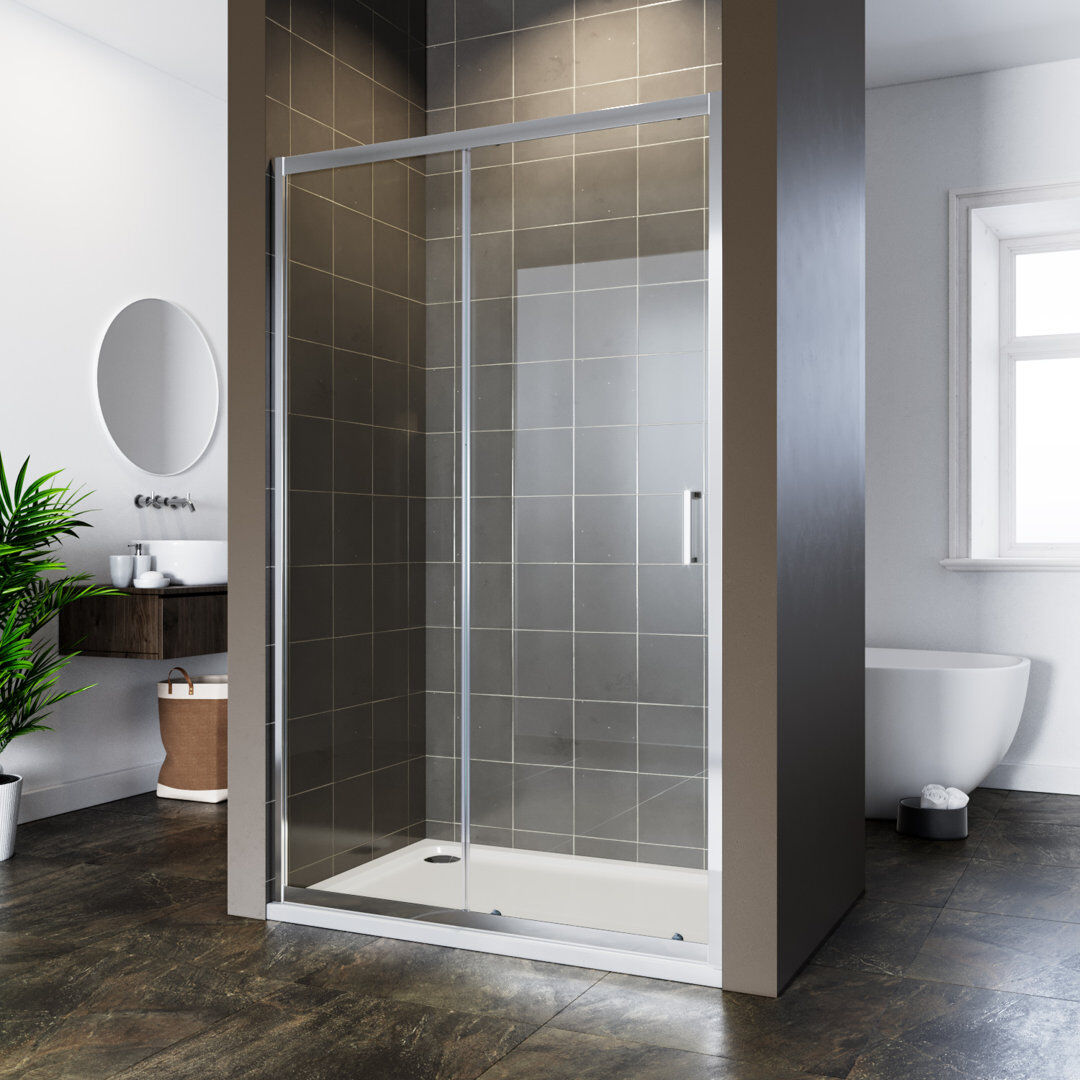
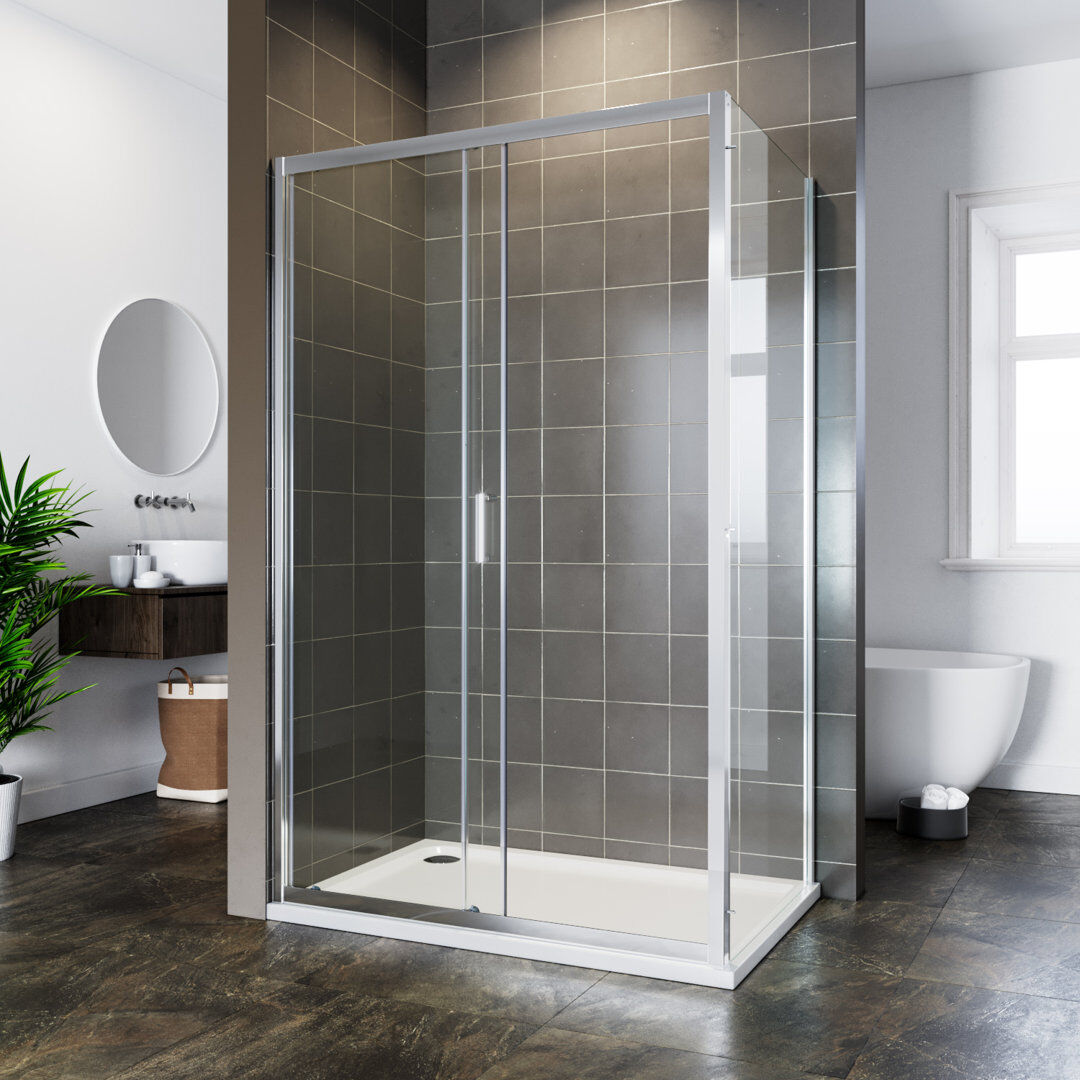
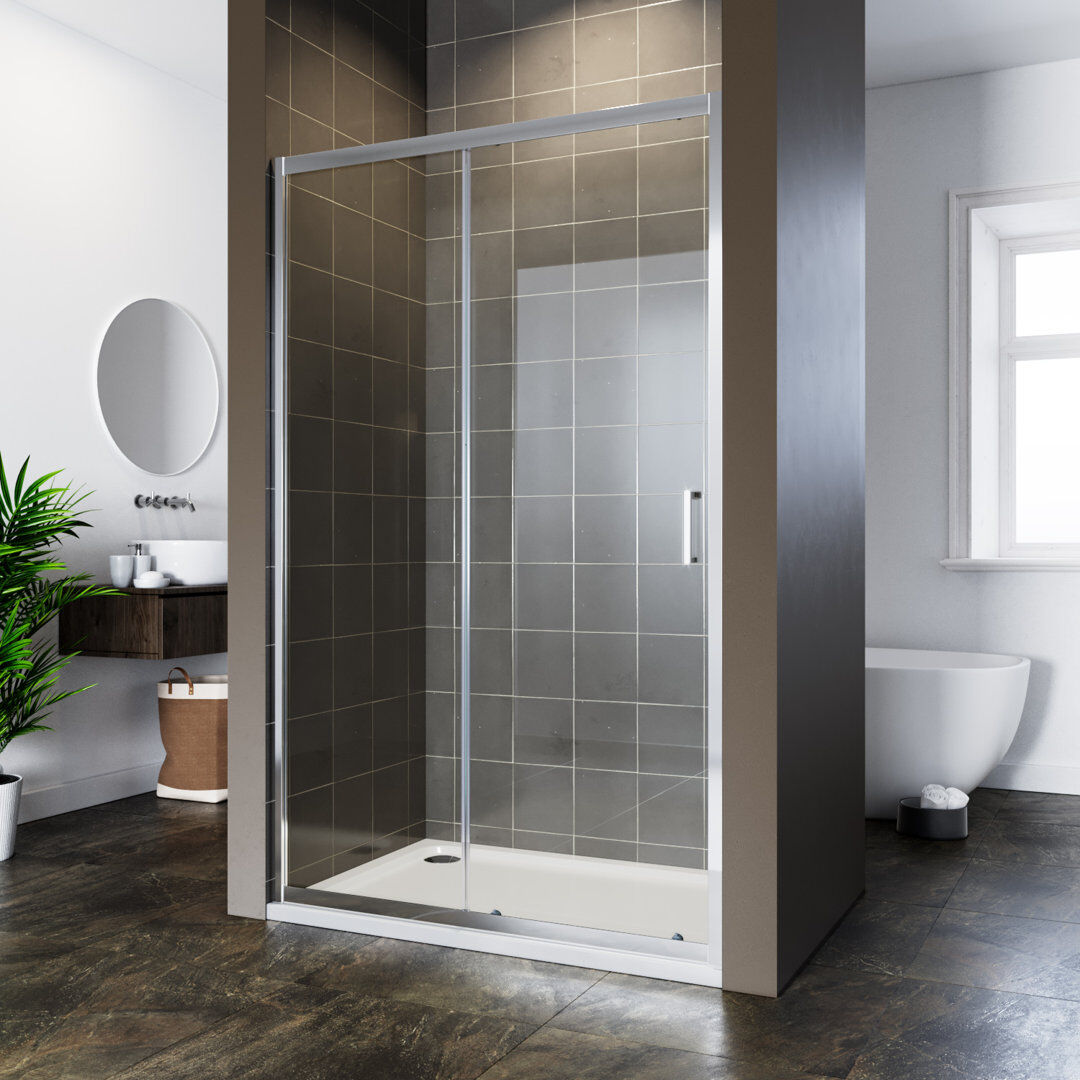
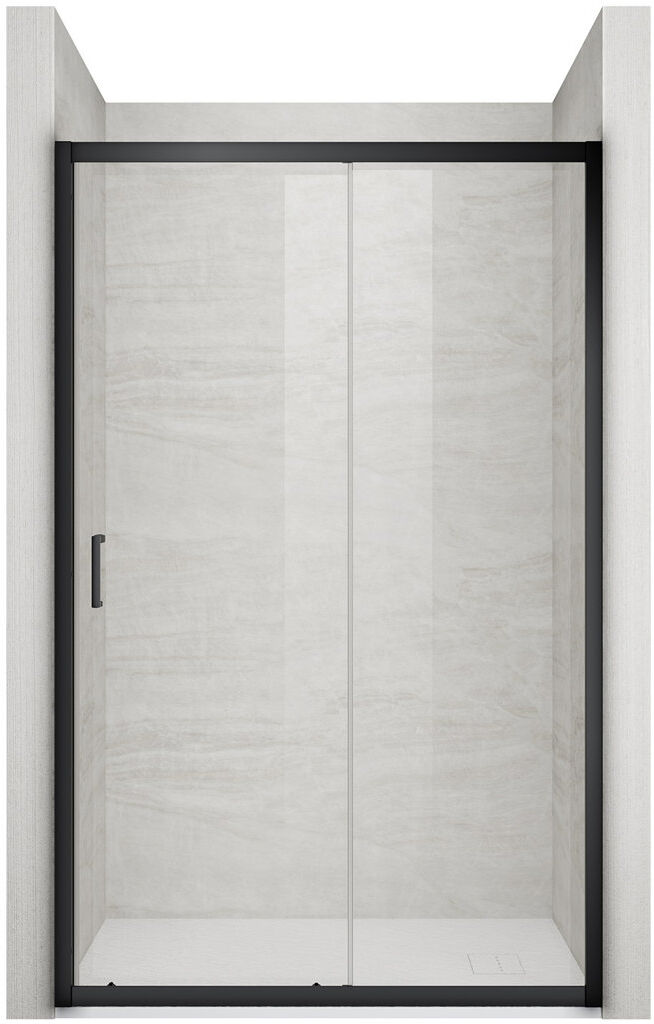
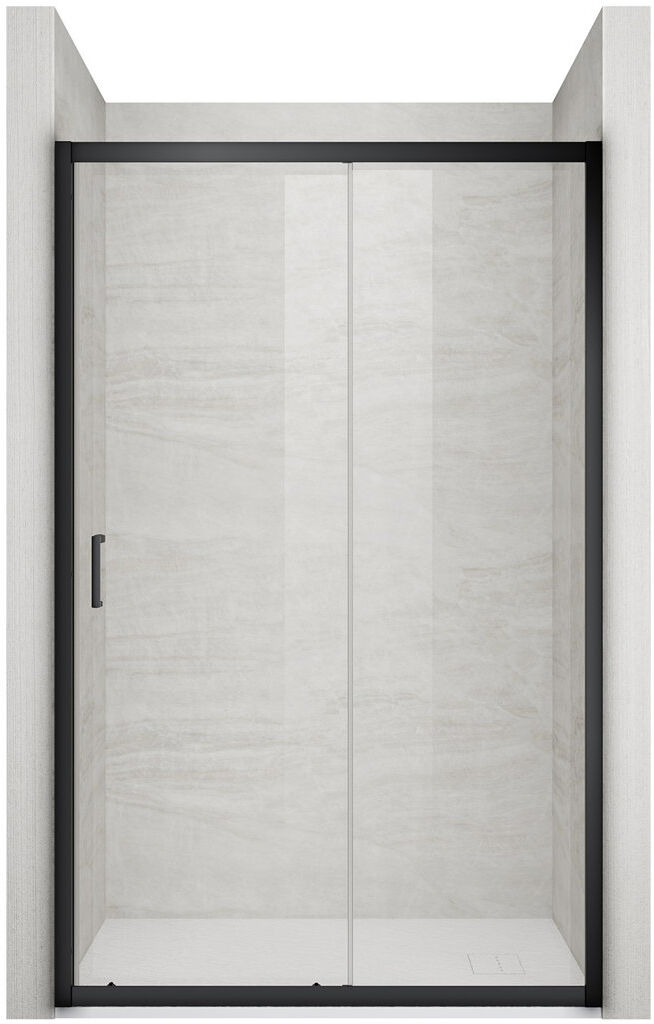
17 Stories Cost-effective single sliding door shower room, Silver Silver 100"The SLC Series shower enclosures redefine modern bathroom aesthetics with their minimalist single-slide design. Crafted from a premium silver-white aluminium frame and 5mm tempered glass, this series seamlessly blends durability with sophistication. Engineered for seamless integration into contemporary spaces, the enclosure features British Standard BS EN 12150-compliant silk-screened glass and precision-tuned sliding mechanisms. Ideal for compact layouts, its adjustable design ensures a perfect fit while maintaining a sleek, uncluttered appearance. 17 Stories Size Width: 100", Finish: Silver133,99 £*Shipping: 0,00 £Secure redirect to the provider
-
17 Stories Cost-effective single sliding door shower room, Silver Silver 120"The SLC Series shower enclosures redefine modern bathroom aesthetics with their minimalist single-slide design. Crafted from a premium silver-white aluminium frame and 5mm tempered glass, this series seamlessly blends durability with sophistication. Engineered for seamless integration into contemporary spaces, the enclosure features British Standard BS EN 12150-compliant silk-screened glass and precision-tuned sliding mechanisms. Ideal for compact layouts, its adjustable design ensures a perfect fit while maintaining a sleek, uncluttered appearance. 17 Stories Size Width: 120", Finish: Silver172,99 £*Shipping: 0,00 £Secure redirect to the provider
-
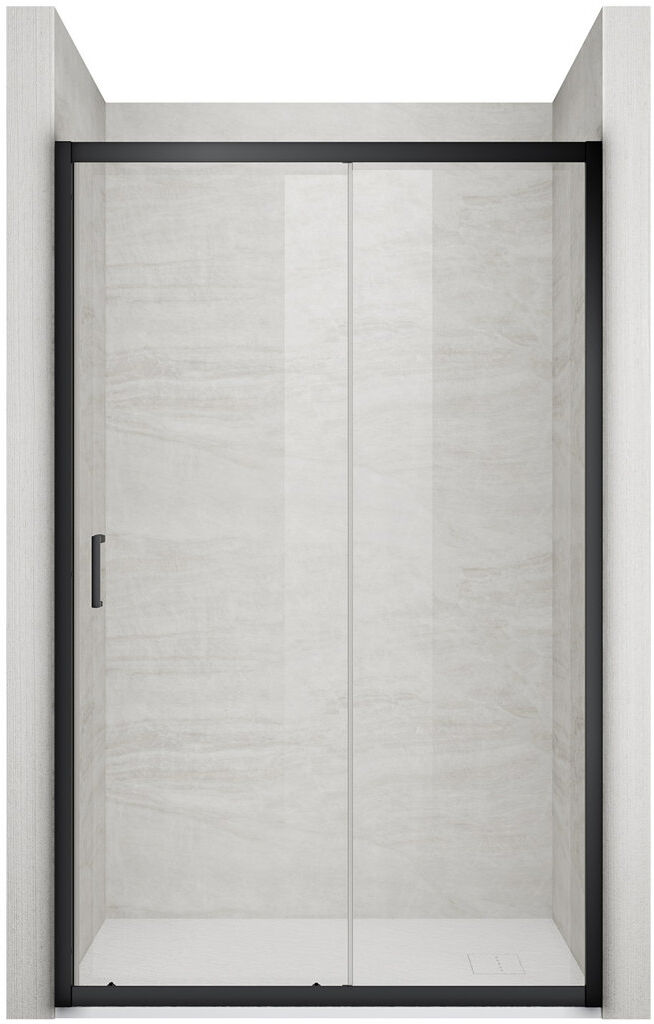
17 Stories Cost-effective single sliding door shower room, Silver Black 110"The SLC Series shower enclosures redefine modern bathroom aesthetics with their minimalist single-slide design. Crafted from a premium silver-white aluminium frame and 5mm tempered glass, this series seamlessly blends durability with sophistication. Engineered for seamless integration into contemporary spaces, the enclosure features British Standard BS EN 12150-compliant silk-screened glass and precision-tuned sliding mechanisms. Ideal for compact layouts, its adjustable design ensures a perfect fit while maintaining a sleek, uncluttered appearance. 17 Stories Size Width: 110", Finish: Black139,99 £*Shipping: 0,00 £Secure redirect to the provider
-
17 Stories Cost-effective single sliding door shower room, Silver Black 120"The SLC Series shower enclosures redefine modern bathroom aesthetics with their minimalist single-slide design. Crafted from a premium silver-white aluminium frame and 5mm tempered glass, this series seamlessly blends durability with sophistication. Engineered for seamless integration into contemporary spaces, the enclosure features British Standard BS EN 12150-compliant silk-screened glass and precision-tuned sliding mechanisms. Ideal for compact layouts, its adjustable design ensures a perfect fit while maintaining a sleek, uncluttered appearance. 17 Stories Size Width: 120", Finish: Black149,99 £*Shipping: 0,00 £Secure redirect to the provider
-
Why does margin-left work, but margin-right doesn't?
Margin-left works because it pushes the element away from the left edge of its containing element, creating space between the element and its neighboring elements. However, margin-right doesn't work because it would push the element away from the right edge of its containing element, but since there is no neighboring element on the right side, the margin-right would not have any effect. In other words, there is no element to create space between on the right side, so the margin-right property has no visible effect. **
-
Why does margin-left work, but margin-right does not?
Margin-left works because it pushes the element away from the left side of its containing element, creating space on the right side for other elements to move into. However, margin-right does not work because it would push the element away from the right side of its containing element, but there is no space for other elements to move into on the left side. This can cause the element to overflow its containing element or be hidden off-screen. **
-
How do you calculate the amplitude margin and phase margin?
The amplitude margin is calculated as the reciprocal of the magnitude of the open-loop transfer function at the phase crossover frequency, where the phase of the open-loop transfer function is -180 degrees. The phase margin is calculated as the amount by which the phase of the open-loop transfer function at the gain crossover frequency is less than -180 degrees. Both margins are important indicators of the stability and robustness of a control system, with larger margins indicating better stability and robustness. **
-
What is the contribution margin per unit or the contribution margin volume?
The contribution margin per unit is the amount of revenue that is left over after covering the variable costs associated with producing one unit of a product. It is calculated by subtracting the variable cost per unit from the selling price per unit. The contribution margin volume is the total contribution margin for all units sold. This metric is important for understanding how much each unit contributes to covering fixed costs and generating profit for the company. **


What is a formula for profit margin and cost price?
The formula for profit margin is: (Selling Price - Cost Price) / Selling Price * 100. This formula calculates the percentage of the selling price that is profit. The formula for cost price is: Selling Price - (Profit Margin * Selling Price / 100). This formula calculates the cost price based on the selling price and the desired profit margin. **
What is the margin formula?
The margin formula is used to calculate the profit margin of a product or service. It is calculated by subtracting the cost of goods sold (COGS) from the selling price, and then dividing the result by the selling price. The formula is: (Selling Price - COGS) / Selling Price. This formula helps businesses understand how much profit they are making on each unit sold, and can be used to make pricing and cost decisions. **
Top-Angebote
Products related to Margin:
-
17 Stories Cost-effective single sliding door shower room, Silver Black 100"The SLC Series shower enclosures redefine modern bathroom aesthetics with their minimalist single-slide design. Crafted from a premium silver-white aluminium frame and 5mm tempered glass, this series seamlessly blends durability with sophistication. Engineered for seamless integration into contemporary spaces, the enclosure features British Standard BS EN 12150-compliant silk-screened glass and precision-tuned sliding mechanisms. Ideal for compact layouts, its adjustable design ensures a perfect fit while maintaining a sleek, uncluttered appearance. 17 Stories Size Width: 100", Finish: Black112,99 £*Shipping: 0,00 £Secure redirect to the provider
-
17 Stories Cost-effective single sliding door shower room, Silver Silver 110"The SLC Series shower enclosures redefine modern bathroom aesthetics with their minimalist single-slide design. Crafted from a premium silver-white aluminium frame and 5mm tempered glass, this series seamlessly blends durability with sophistication. Engineered for seamless integration into contemporary spaces, the enclosure features British Standard BS EN 12150-compliant silk-screened glass and precision-tuned sliding mechanisms. Ideal for compact layouts, its adjustable design ensures a perfect fit while maintaining a sleek, uncluttered appearance. 17 Stories Size Width: 110", Finish: Silver136,99 £*Shipping: 0,00 £Secure redirect to the provider
-
17 Stories Cost-effective single sliding door shower room, Silver Silver 100"The SLC Series shower enclosures redefine modern bathroom aesthetics with their minimalist single-slide design. Crafted from a premium silver-white aluminium frame and 5mm tempered glass, this series seamlessly blends durability with sophistication. Engineered for seamless integration into contemporary spaces, the enclosure features British Standard BS EN 12150-compliant silk-screened glass and precision-tuned sliding mechanisms. Ideal for compact layouts, its adjustable design ensures a perfect fit while maintaining a sleek, uncluttered appearance. 17 Stories Size Width: 100", Finish: Silver133,99 £*Shipping: 0,00 £Secure redirect to the provider
-
17 Stories Cost-effective single sliding door shower room, Silver Silver 120"The SLC Series shower enclosures redefine modern bathroom aesthetics with their minimalist single-slide design. Crafted from a premium silver-white aluminium frame and 5mm tempered glass, this series seamlessly blends durability with sophistication. Engineered for seamless integration into contemporary spaces, the enclosure features British Standard BS EN 12150-compliant silk-screened glass and precision-tuned sliding mechanisms. Ideal for compact layouts, its adjustable design ensures a perfect fit while maintaining a sleek, uncluttered appearance. 17 Stories Size Width: 120", Finish: Silver172,99 £*Shipping: 0,00 £Secure redirect to the provider
-
How to calculate the amplitude margin and phase margin?
The amplitude margin is calculated by finding the gain at the frequency where the phase shift is -180 degrees and then taking the reciprocal of that gain. The phase margin is calculated by finding the phase shift at the frequency where the gain is 0 dB and then subtracting 180 degrees from that phase shift. Both the amplitude margin and phase margin are important measures of stability in control systems, with larger margins indicating greater stability. **
-
Is profit margin and revenue margin the same thing?
No, profit margin and revenue margin are not the same thing. Revenue margin, also known as gross margin, is the percentage of revenue that remains after deducting the cost of goods sold. It measures the profitability of a company's core business activities. On the other hand, profit margin is the percentage of profit a company earns from its total revenue after deducting all expenses, including operating costs, taxes, and interest. In summary, revenue margin focuses on the relationship between revenue and the cost of goods sold, while profit margin takes into account all expenses to determine the overall profitability of a company. **
-
Why does margin-left work, but margin-right doesn't?
Margin-left works because it pushes the element away from the left edge of its containing element, creating space between the element and its neighboring elements. However, margin-right doesn't work because it would push the element away from the right edge of its containing element, but since there is no neighboring element on the right side, the margin-right would not have any effect. In other words, there is no element to create space between on the right side, so the margin-right property has no visible effect. **
-
Why does margin-left work, but margin-right does not?
Margin-left works because it pushes the element away from the left side of its containing element, creating space on the right side for other elements to move into. However, margin-right does not work because it would push the element away from the right side of its containing element, but there is no space for other elements to move into on the left side. This can cause the element to overflow its containing element or be hidden off-screen. **
Similar search terms for Margin
-
17 Stories Cost-effective single sliding door shower room, Silver Black 110"The SLC Series shower enclosures redefine modern bathroom aesthetics with their minimalist single-slide design. Crafted from a premium silver-white aluminium frame and 5mm tempered glass, this series seamlessly blends durability with sophistication. Engineered for seamless integration into contemporary spaces, the enclosure features British Standard BS EN 12150-compliant silk-screened glass and precision-tuned sliding mechanisms. Ideal for compact layouts, its adjustable design ensures a perfect fit while maintaining a sleek, uncluttered appearance. 17 Stories Size Width: 110", Finish: Black139,99 £*Shipping: 0,00 £Secure redirect to the provider
-
17 Stories Cost-effective single sliding door shower room, Silver Black 120"The SLC Series shower enclosures redefine modern bathroom aesthetics with their minimalist single-slide design. Crafted from a premium silver-white aluminium frame and 5mm tempered glass, this series seamlessly blends durability with sophistication. Engineered for seamless integration into contemporary spaces, the enclosure features British Standard BS EN 12150-compliant silk-screened glass and precision-tuned sliding mechanisms. Ideal for compact layouts, its adjustable design ensures a perfect fit while maintaining a sleek, uncluttered appearance. 17 Stories Size Width: 120", Finish: Black149,99 £*Shipping: 0,00 £Secure redirect to the provider
-
CounterArt "Insurance 4 Pack Absorbent Stone Coasters with Cork Backing 4"" Square Made in The USA Absorbent Wipes Clean"4 Pack Absorbent Stone Coasters with Protective Cork Backing 4” Square. Manufactured in the USA of absorbent stone to absorb excess condensation from beverages. Cork backing protects your surfaces from scratches and stains.30,49 $*Shipping: 0,00 $Secure redirect to the provider
-
How do you calculate the amplitude margin and phase margin?
The amplitude margin is calculated as the reciprocal of the magnitude of the open-loop transfer function at the phase crossover frequency, where the phase of the open-loop transfer function is -180 degrees. The phase margin is calculated as the amount by which the phase of the open-loop transfer function at the gain crossover frequency is less than -180 degrees. Both margins are important indicators of the stability and robustness of a control system, with larger margins indicating better stability and robustness. **
-
What is the contribution margin per unit or the contribution margin volume?
The contribution margin per unit is the amount of revenue that is left over after covering the variable costs associated with producing one unit of a product. It is calculated by subtracting the variable cost per unit from the selling price per unit. The contribution margin volume is the total contribution margin for all units sold. This metric is important for understanding how much each unit contributes to covering fixed costs and generating profit for the company. **
-
What is a formula for profit margin and cost price?
The formula for profit margin is: (Selling Price - Cost Price) / Selling Price * 100. This formula calculates the percentage of the selling price that is profit. The formula for cost price is: Selling Price - (Profit Margin * Selling Price / 100). This formula calculates the cost price based on the selling price and the desired profit margin. **
-
What is the margin formula?
The margin formula is used to calculate the profit margin of a product or service. It is calculated by subtracting the cost of goods sold (COGS) from the selling price, and then dividing the result by the selling price. The formula is: (Selling Price - COGS) / Selling Price. This formula helps businesses understand how much profit they are making on each unit sold, and can be used to make pricing and cost decisions. **
* All prices are inclusive of VAT and, if applicable, plus shipping costs. The offer information is based on the details provided by the respective shop and is updated through automated processes. Real-time updates do not occur, so deviations can occur in individual cases. ** Note: Parts of this content were created by AI.